Thirty years of Kegels. Done wrong the whole time. What happens when you stop accepting leaks and bone loss as inevitable—and finally turn to the science.
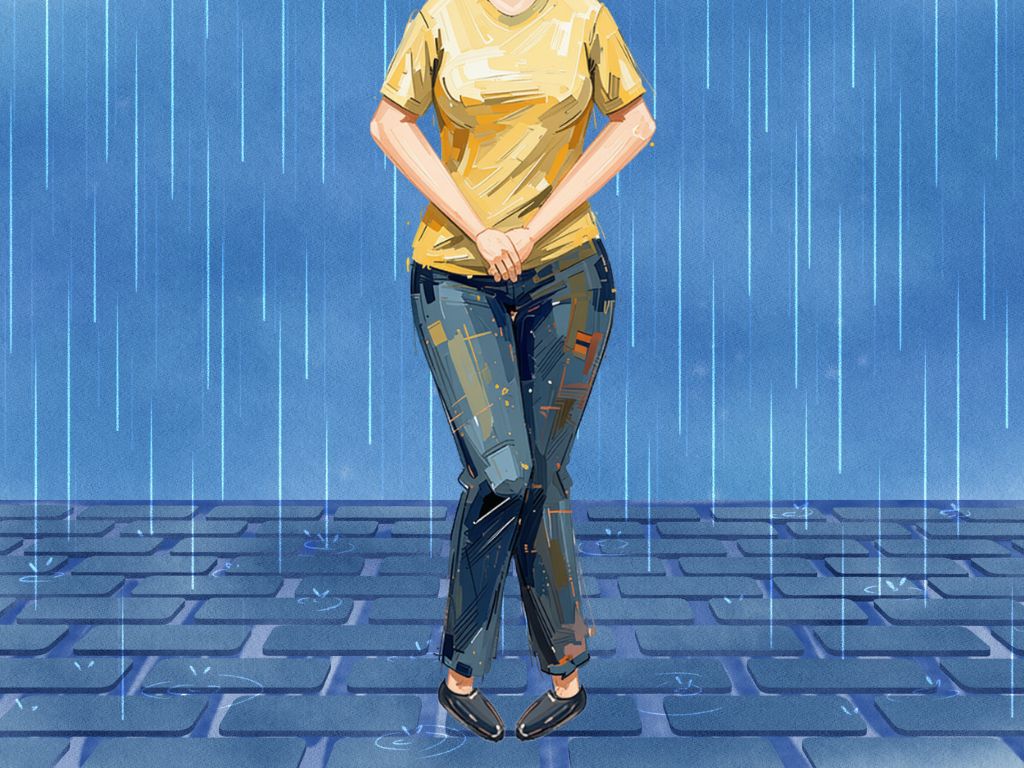
See that woman walking down the street just ahead of you, looking uncomfortable and smoothing her sweater down past her ass? She glances over her shoulder before quickly ducking into the nearest department store.
She’s probably me, looking for a toilet before my bladder betrays me.
My problem started as an urge to always go to the bathroom. Inventively called urge incontinence, or an unstable bladder, that was bad enough. Later came the jump/cough/laugh/sneeze leaks, called stress incontinence. Lucky me! I had both types.
And like a lot of women, I didn’t do anything about it. “It’s normal for women my age,” I told myself. (Spoiler: It’s not.) “I should do my Kegels.” (I already do.) “It’s not that bad.” (While at the same time, knowing that bad is still bad enough.)
Dr. Jeannine Miranne, urogynecologist at Brigham and Women’s Hospital, said, “Many women think that urinary incontinence is a normal part of aging and they’re unaware that there are available treatment options for this problem.”
Of all the things women put up with, this shouldn’t be one of them. Yes, there are always other things to prioritize: We have children, partners, parents, friends, and jobs that need us. But our own well-being shouldn’t be at the bottom of the to-do list.
Worth Saying Out Loud
Most women don’t talk about bladder dysfunction with their girlfriends, and it’s a “door-handle comment” when we visit the doctor. You see him for an unrelated problem and just as you’re leaving, as you have your hand on the door, you turn and say, “By the way doctor, I have this problem with my pee…”
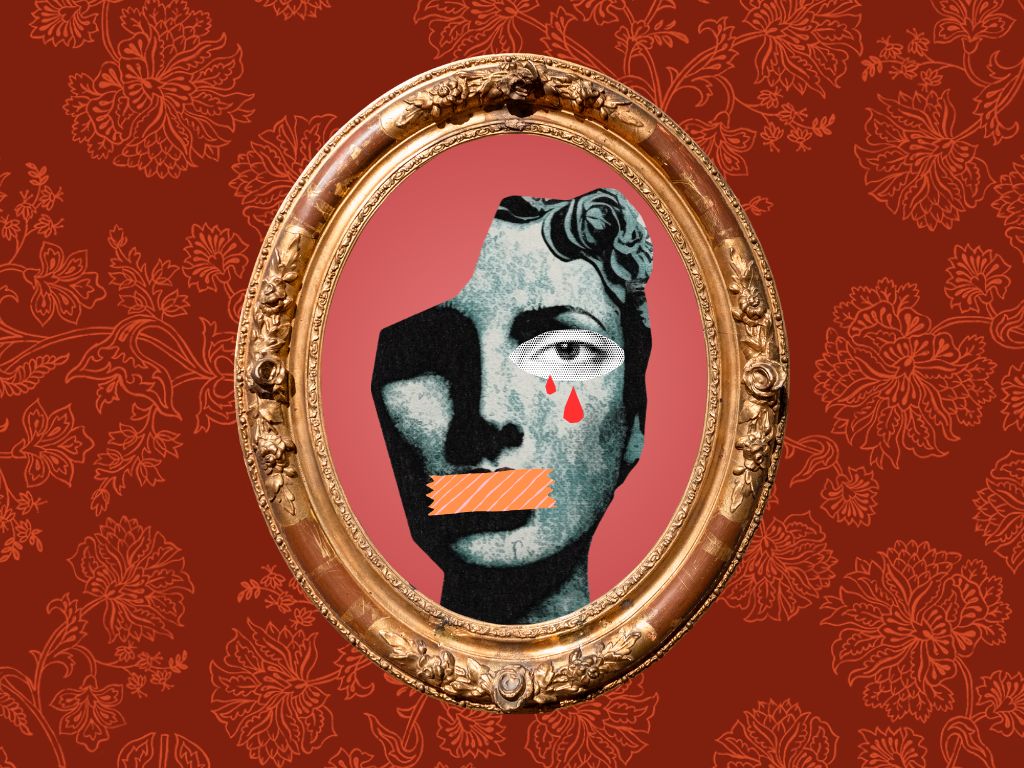
If you’re lucky, your doctor will listen and take it seriously. If you’re not, you might be dismissed, gaslighted, or told to see another specialist.
It was 12 years before I got meds for my urgency problem, but they didn’t stop the stress incontinence. And when I heard the stat that one in two women will get osteoporosis—and that there was a link between the two—I knew I had to do something about it.
A Family History I Couldn’t Ignore
I saw my mother and grandmother bend double with the pain and disability of crumbling spine bones. I watched the EMTs pick up my mother from the floor when she fell, and I didn’t know if she’d survive the operation to fix her broken hip.
So, when I looked at the women around me, I knew it’d be me heading for osteoporosis, and a DXA (bone scan) confirmed it. My hips are okay, but my spine is osteopenic—the stage right before osteoporosis.
And while I’m not a poster child for a bad diet, my lack of effort was really showing. I didn’t recognize the tired, defeated lump in the mirror, squashed into clothes that no longer fit.
In other words, my midlife report card said, “Could try harder.”
So I decided that’s what I would do.
Because while the best time to act was 20 years ago, the next best time is now.

Advertisement
What Your Nighttime Urges May Really Be Telling You
If you’re waking up at night to pee, it may not be because of aging—and ignoring it could be a mistake. According to a new NativePath report, nighttime urination may be caused by an overlooked imbalance that affects bladder control, fluid signaling, and sleep cycles.
The good news? There’s a simple daily approach designed to support 24-hour bladder control, fewer sudden urges, and fewer leaks—without extreme routines or medications.
Thousands are already using this method to sleep longer and wake up feeling more rested. Read NativePath’s report today and discover the simple way to help stop nighttime bathroom trips.
Why Bones Break—and Bladders Leak
Bone is a living structure. But when we lose our hormones after menopause, our bone density and muscle strength go with them. When more bone is lost than is made, they get full of holes; they’re thin and break easily. But we often don’t realize until it’s too late.
Exercise will get my bones strong, build muscle, and help lose fat, but it often involves box jumps, jumping rope, running, and lifting weights. With stress incontinence, when I jump (or cough, sneeze, or laugh), I pee. So how much of that do you suppose I want to do?
I could do the low-impact activities for those who can’t jump—things like elliptical trainers, stair climbing, and low-impact aerobics—but I also don’t want to be the woman ducking into a department store after every sneeze.
So I turned to science.
The pelvic floor gets stretched by childbirth, carrying extra body weight, or things like chronic constipation. Like any other muscle, it needs to stay toned, and although I’ve been doing Kegels for over 30 years, I’d been doing them wrong.
An irritable bladder made me clench my pelvic floor, but that just tightened the muscles. Tight muscles, it turns out, aren’t strong muscles. The key is to relax the pelvic floor, and then lift to squeeze, not clench.
As Vagina Coach Kim Vopni explained: First, inhale and feel the pelvic floor relaxing down; then exhale, imagine picking up a blueberry with the vagina and anus, and lift them. Hold, and relax again.
We can do these exercises anywhere—in the car, on the phone, standing in line, watching TV. No one will know. But, like brushing our teeth, it’s not a one-and-done. It’s a lifetime practice.
Reclaiming Our Strength
There’s no one-size-fits-all solution, and we need to find what works for each of us—a sympathetic doctor, girlfriends and partners who get it, and the courage to speak up.
My journey has taken time, but time passes anyway. So I continue to take my meds and do the pelvic floor exercises, and now I’m in the gym like I mean it.
Jumping rope? Not a problem.
Squatting? Lifting weights? Yes. I. Can.
Laughing? Coughing? Sneezing? Bring it on.
My next bone scan is booked. In the meantime, I look better, I feel stronger, and I’m no longer planning my day around bathrooms.
So yes, it’s worth it.
We don’t have to live with any of this.
******
MEDICAL ADVICE DISCLAIMER
DISCLAIMER: This website does not provide medical advice. For health or wellness-related content, SFD Media LLC emphasizes that information about medicines, treatments, and therapeutic goods (including text, graphics, and images) is provided for general information only. No material on this site is intended to substitute for professional medical advice, diagnosis, or treatment. Users are advised to independently evaluate and verify the accuracy, reliability, and suitability of the information before relying on it. You should not rely on the content as a substitute for professional medical advice. Consult with a physician or other health care professional for any health concerns or questions you may have. SFD Media LLC is not responsible for any action taken based on the information provided on this website. The use of any information provided on this website is solely at your own risk.