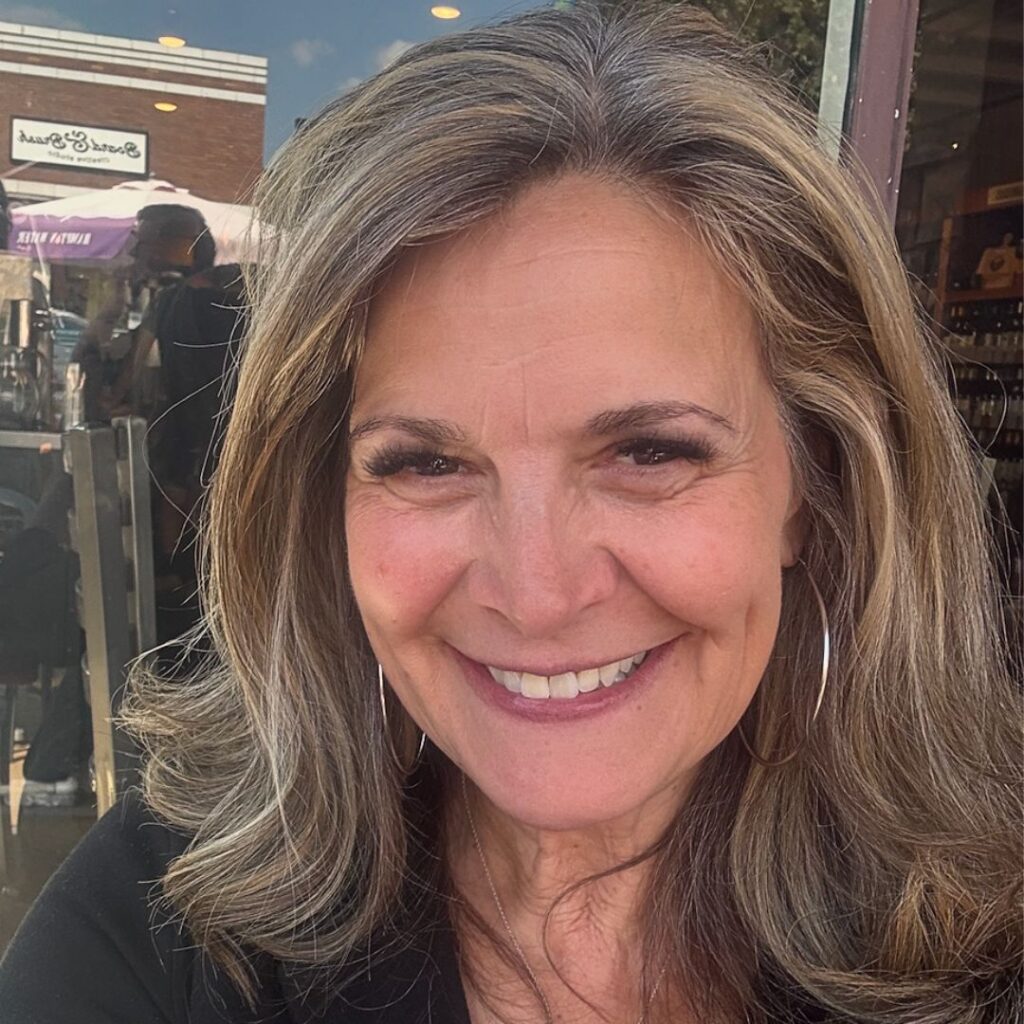
This piece was written by one of our dear readers—a woman with something real to say. Each month, we handpick the best submissions for Dear Reader because we’re after that PROVOKED bite: truth, intelligence, and heart. These stories come from women our age—women who’ve lived enough to know better and still care enough to tell it anyway. Because being seen and heard matters. Because storytelling is how we stitch ourselves to one another. And because when one woman speaks her truth, another finally recognizes her own. — Susan Dabbar, Editor-in-Chief
What writing more than 20 obituaries taught me about memory, grief, and the lives we leave behind.
While I’m a writer by profession, I never paid much attention to obituaries. My dad always did, though. Every night after work, he’d scan the obits in the local paper to see who had died. As a teen, I found his habit a ghoulish waste of time. Then, a decade ago, he died unexpectedly, and it fell on me to write his.
I quizzed my grief-stricken siblings and took notes. What should we include? What would he want us to include? I spent several days working on his obituary, crafting something that I hoped would reflect my dad and his path in the world.
Two months later, my Uncle Bob died. I called my cousin and offered to write his obit. And so it began. Over the decade, I’ve written more than 20 obituaries. Sometimes I’m asked to do it.
Sometimes I offer.
Ten years in, no one has turned me down.
The Power of Listening
I didn’t intend to start writing obituaries, and I always dread the call or visit with the person left behind. I’ve written the obituaries of my former husband, my son’s basketball teammate, my best friend’s partner. For the parents of friends, spouses of neighbors, and grandparents of acquaintances. Each one matters.
But too many obituaries are simply a recitation of data. When the person was born, when she died, who she leaves behind. They’re heavy on facts and light on story. Rarely do I read an obituary and come away with a sense of who the person really was, or why her life mattered.
I see that as a missed opportunity. Yes, I record the relevant biographical data, but as a journalist, I know how to ask questions. I ask them. And I listen.
Mostly I listen.
Often the person I’m speaking with cries. Sometimes I cry. Sometimes we both cry. And sometimes we laugh. And then cry again.
I take lots of notes. About what the person was like. What made her unique. About her love for the Scorpions and roller coasters or that he called everyone “kiddo.” That she made the most delicious elk meatloaf or that he was “born with a basketball in his hand.” What was she passionate about? What was she most proud of? Who did they love?
The real story lurks in my pages and pages of notes. When I reread them, I look for a throughline, a theme, a narrative.
And I write.
Where It Gets Complicated
The obituary is that proverbial last chance, a way to recognize, honor, and mourn the person you loved. When you draft someone’s final story, you choose what to share, how much to share, and what not to share. Except in rare cases, obituaries sanitize the life of the person, focusing on the highlight reel and downplaying the not-so-great parts.
With my dad, he loved the Chicago Cubs, held several patents, and was a staunch Lutheran. He was a great dentist and a good person. He also liked to bait me over our political differences. In the last few years of his life, we often clashed, leaving me frustrated and sometimes in tears. I didn’t include that tidbit in his obituary.
That kind of editing isn’t possible with your memories.
When someone dies, that’s what’s left. Those memories may be blissful ones. Painful ones. Ones that make you feel sad, or guilty, or angry, or heartbroken. We don’t get to choose what we remember. The more emotion attached to an experience, the more likely you are to remember it—whether you want to or not.
Those memories live on. We store them not only in our minds and hearts, but in our bodies. In our bones. Those memories drive our choices and change our lives.
We try to be more like the person who died. Or swear that we’ll never turn out the way they did. We wonder what we did wrong, or convince ourselves that we did everything we could, or hope that we’ll see the person again one day. We look through old photos and watch videos and reread texts and letters and sometimes play a message left on a voicemail just to hear your mom telling you she loves you, one more time.
We strive to keep memories alive, and the obituary is one way to do that.
What Actually Lasts
My dad wasn’t a demonstrative man. He rarely said “I love you.” But when he hugged you, well, you felt it. My dad hugged with his whole body, just long enough to matter. And he always finished it the same way—a gentle pat on your back or squeeze on the arm as he pulled away.
I don’t miss the arguments with my dad. But I’ll always miss his hugs.
Now as a midlife mom, I wonder about the memories my kids will have of me. Will my 20-year-old son, Ryan, recall when I high-fived him and cheered when he put the ball on the green of a par-four with his first shot? Will Haley, my 16-year-old daughter, remember belting out Hamilton every time we got in the car? Or will they remember the times I lost my sh*t because their rooms were a mess, or they were late and didn’t text me, or they left the kitchen a disaster, again?
I hope that they’ll remember mostly good stuff.
Maybe the question isn’t how we’ll be remembered, but what we’re choosing, right now, to leave behind.
What will your story say?