Same fame, same platform, two completely different destinations. How the culinary world decided that women feed people and men build empires.
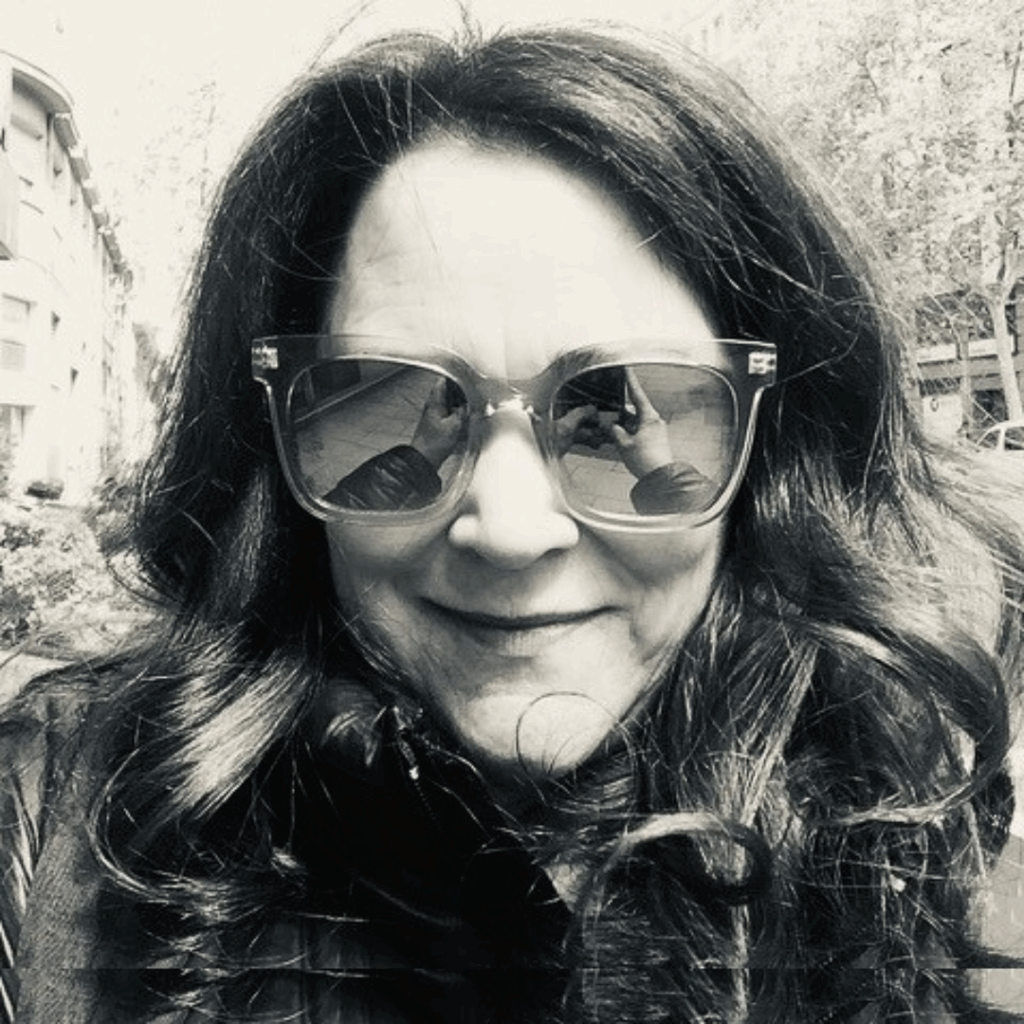
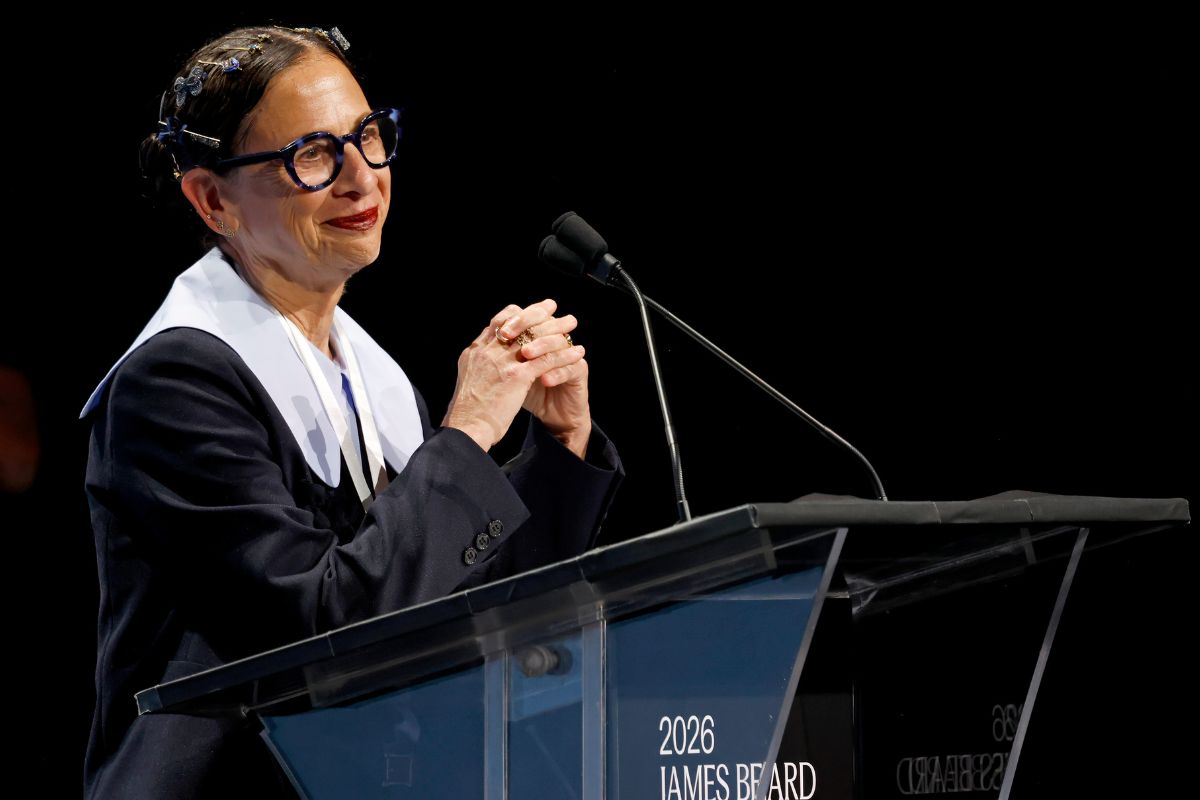
Renowned restaurant owner and cook Nancy Silverton was recognized this summer with yet another major culinary accolade—the James Beard Foundation Lifetime Achievement Award. Yet Silverton, co-owner of the Mozza Restaurant Group, whose Osteria Mozza holds a Michelin star, insists she doesn’t see herself as a chef. “That whole image of a chef is still somebody much grander than who I feel like,” she told Eater last year.
We know where she gets that image. The culture loves the larger-than-life kitchen personalities—the loud men, micromanagers, and hard-living chefs embodied in figures like Guy Fieri, Gordon Ramsay, and Anthony Bourdain. Their celebrity and prestige stand in stark contrast to the invisible, unpaid labor of generations of moms, grandmothers, and female caretakers who handle the cooking inside the home.
“Kitchens are notoriously owned, operated, and staffed by men—and that’s to say nothing of the male investors, media personalities, and influencers who comprise the broader ecosystem of the food industry,” Top Chef host Kristen Kish wrote last year. “Simply being in these spaces as a woman is to subvert expectations, but there are added assumptions once we’re in the door: that we’re not as strong physically and mentally, or that we should be more maternal and nurturing, particularly in leadership roles.”
It’s a familiar recipe. The culinary world lets women feed people while men build empires. Female chefs are channeled into domestic-coded lanes—baking, home cooking, teaching, the beloved TV personality in your kitchen. The men get to be chefs, auteurs, restaurateurs, and empire-builders. The writing is on the kitchen wall: less than 25% of chefs and head cooks in the U.S. are female, and only 7% of Michelin-recognized restaurants in the U.S. are led by women. How did we get here?
“Hyper-Masculine” Kitchen Culture
Auguste Escoffier, dubbed the “king of chefs,” is credited for introducing a militaristic “brigade system” of specialization and discipline to professional kitchens in the late 19th century, a hierarchy that traditionally advanced men and steered women into the “pink ghetto” of the pastry line. Long before anyone proposed testosterone testing in the military, professional kitchens were intensely male-dominated spaces where machismo and sexism boiled over.
Strides have been made in the post-#MeToo era as women began calling out harassment, but in a recent survey of nearly 200 female chefs in the U.K., a whopping 75% said they’ve experienced workplace harassment, and 87% agreed that improving the culture would draw more women into commercial kitchens.
Oh yeah, and in the U.S., women chefs and head cooks still earn 81 cents to every dollar earned by men. These are the ingredients we’re working with.
Women Nourish, Men Flourish
One of the things that made chef Alice Waters such a pioneer in the 1970s and 1980s was her rejection of the “brigade de cuisine” structure and her determination to offer staff at her landmark Chez Panisse restaurant a better work-life balance. That, and her use of seasonal, organic ingredients—a surprisingly novel auteur’s stamp when she began, but appropriated by countless chefs since then. “We didn’t operate the restaurant the way we were expected to,” she told Time in 2017. Her set menus were like being invited over to someone’s house for dinner. “We were cooking the way that we cooked at home.”
And that, ladies, says it all. Waters followed in the footsteps of legend Julia Child to build a genuine movement inspired by home cooking and committed to educating others—including future generations, as in Child’s didactic cookbooks and shows and Waters’ Edible Schoolyard Project and farm-to-table initiatives. “Women are very concerned about nourishment, about really taking care of people,” Waters told Time. It’s a tale as old as time: women nourish, allowing everyone to flourish.
A Woman’s Place…
Child took up enormous space mid-century showing American women how to cook French food, yet she still kept to the permitted lane—the home kitchen. Her own Cambridge, Massachusetts, kitchen even served as the model for her iconic show’s set. Another permitted lane? Baking, which sits next to home and motherhood. It’s still easier for the culture to imagine a woman baking or managing a home kitchen than running a restaurant group.
Today’s best-known female TV cooks followed Child down that lane—from Ina Garten, who “throws open the doors of her Hamptons home” as the Barefoot Contessa, to Rachael Ray’s practical tips (Meals in Minutes, 30 Minute Meals), Valerie Bertinelli’s Home Cooking, Martha Stewart’s home entertainment realm, and Ree Drummond’s throwback to purported domestic bliss, The Pioneer Woman.
These beloved household names—many featured on the Food Network, which launched in 1993—are comforting teachers and entertainers. Their brands revolve around their personalities, lifestyles, shows, and books, not brick-and-mortar restaurants. The men who came up through the same platform—Flay, Fieri, and the rest—turned their TV fame into restaurant groups and empires. It’s the cook versus the chef: the women are in your kitchen, but the men own the building. Same fame, same platform, two completely different destinations.
The Egg Spoon Wars
Once upon a time in the early 2000s, Alice Waters cooked an egg over an open fire in a cast-iron spoon on prime-time TV—and took a surprising amount of heat. Bourdain, rapidly growing a cult following as the archetype of the macho chef, reportedly called her “Pol Pot in a muumuu” for the apparently elitist technique. Female chefs still simmer over the gender double standard: A man uses a tool like the egg spoon, and he’s a maverick; a woman does it, and she’s pretentious.
The anecdote is telling of Waters’ position in the industry. Despite being a pioneer who revolutionized the way we eat in the U.S., Waters still hasn’t been seen as an “auteur” the way male chefs so often are. Like Silverton, she’s often given the “home cooking” label. Yet Waters’ mark is felt across the cooking field—Chez Panisse has been called a “teaching kitchen” for the number of professional chefs it has trained. And beyond the field, she’s considered a forerunner of today’s farm-to-table and Slow Food movements.
Kitchen Feminism?
The egg spoon controversy made headlines again nearly a decade later when Waters’ daughter began selling an impressively expensive version of the hand-forged spoon online. But times had changed in the years between the egg-cooking and the spoon-selling: “This is the post-Harvey Weinstein era, when gender imbalance, assault, and harassment in professional kitchens have been laid bare,” The New York Times asserted. “The egg spoon has caught a ride on a new wave of kitchen feminism. Egg-spoon haters now find themselves under attack.”
A new wave does appear to be rising—albeit as tentatively as a soufflé. In 2025, 70 female chefs penned an open letter in the U.K. calling for an end to sexism and inequality in the restaurant industry and sharing their personal experiences with harassment at work. Female chefs have support groups, professional associations, and publications dedicated just to them.
Ingredients for Long Success
The stereotype of the macho chef dominating his kitchen “doesn’t just misrepresent the reality of professional kitchens; it actively shapes it,” the U.K. survey highlighted. “When women don’t see themselves reflected in the industry, many are discouraged from pursuing careers in it. And when they aren’t present, it signals to others that they don’t belong.” That could be changing: Women now make up almost half of both the enrolled undergraduates and instructional staff at the Culinary Institute of America.
Female chefs aren’t “going anywhere,” as Silverton said about her own career in her acceptance speech for the Lifetime Achievement Award. Now in her 70s, she vowed to return for a Lifetime Achievement Award 2.0. Silverton is the exception who proves the rule—a woman who started in the most permitted lane of all (pastry and bread, at Spago and La Brea Bakery) and had to escape the baking corner entirely to be seen as an auteur and empire-builder.