
Editor’s Note—I want to tell you why this series exists.
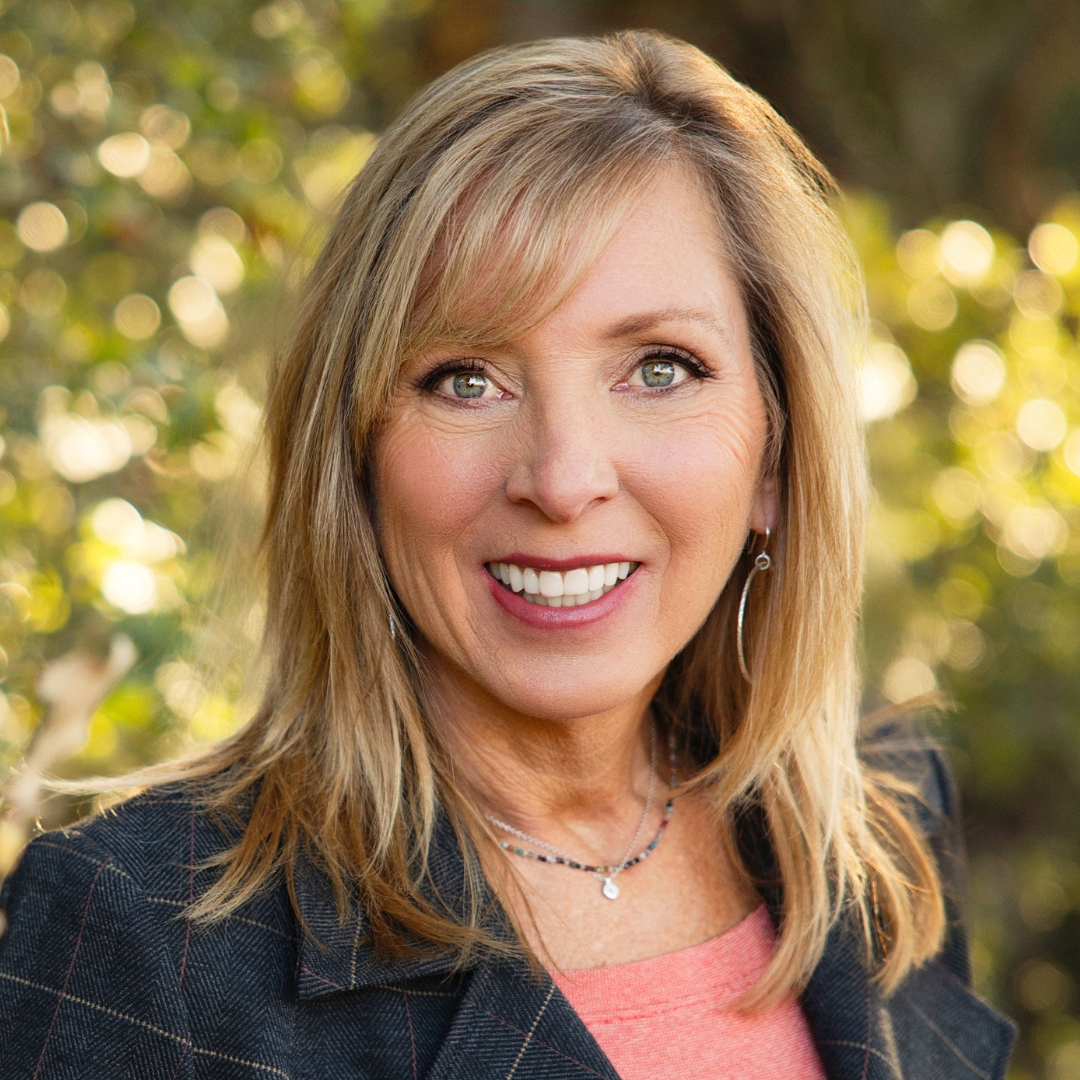
I spent months looking for the right expert to write this series. I didn’t want a firm that builds products by men, for men, with a woman’s face on the brochure. I wanted someone who built something meaningful from the inside out. Kristin Hull did. Nia Impact Capital is a women-led, B Corp-certified, gender-lens investment firm that has been doing the work of shareholder activism and feminist portfolio construction since before either phrase was fashionable. She was named 2025 Portfolio Manager of the Year by InvestmentNews. After several conversations, Kristin agreed to write this series for PROVOKED.
A note on how this works. Nia didn’t pay for this placement, and we weren’t paid to run it. This is two women founders deciding that this information matters.
Here’s what I know. Over the next few decades, $124 trillion is moving between generations, and women will receive the majority of it. Most of us, including women who are accomplished and financially literate in every other area of our lives, aren’t ready for what that means. No one ever taught us this part because the financial industry wasn’t built with us in mind, and in many cases, still isn’t.
This three-part series is designed to change that. Part one, which you’re reading now, is the orientation: what’s actually happening, where women already hold leverage, and where we’re still leaving power on the table. Part two goes inside the feminist portfolio. Part three is the one many of you will need most: what to do when you suddenly inherit assets and find yourself sitting across from an advisor who doesn’t know you. These three pieces will live together as a permanent resource here at PROVOKED. Share them with the women in your life who are navigating this, or about to be.
This is the series I wanted to exist. —Susan
An estimated $124 trillion in assets will transfer to women over the next few decades. Some of us will inherit directly. Many of us won’t see a dollar of it. Either way, the shift is coming for all of us—and understanding this trend may be the most important financial education you never got.
If you’re not sure whether you’d call yourself an investor, you’re in good company, and that might be about to change. Women are standing at the center of the largest transfer of wealth in history, one that could redefine our financial power and the economic fabric of the country.
The Numbers Nobody Told You
Women have historically (and predictably) lagged in financial resources and opportunity, due in large part to a gender wage gap, as well as little exposure to financial and investing education. The great wealth transfer is going to turn this dynamic on its head and alter this persistent wealth gap for some of us.
Over the next few decades, an estimated $124 trillion in assets will move between generations in the U.S., according to Cerulli Associates. Because women live longer and often inherit directly from spouses, we’ll receive approximately 70%, the majority of that transfer, according to one Bank of America analysis.
That’s a staggering figure, and reflects a powerful existing influence. In 2019, McKinsey & Company reported that women already held $10.9 trillion in U.S. assets, which is about one-third of all financial assets. The numbers alone dismantle the myth that women are quiet bystanders in finance.
We’re actually the story.
What Women Already Get Right
Whether you stand to inherit some of this wealth over the coming years or you’re working to build your personal wealth, understanding our current strengths and weaknesses will help us be more successful.
Women are excellent financial operators. Running the daily management of paying bills, budgeting, and keeping expenses in line is second nature to most of us. In fact, a CFP Board study found that 69% of women are the primary decision-makers for household finances.
We’re also disciplined savers and, statistically, better investors. Why? We think long term, and we’re better at saving money.
And women also actually care about what their money is invested in. Seventy-one percent consider sustainability when making investment decisions, compared with 58% of men, according to UBS. When we invest our money, we know it matters.
Where the System Failed Us
Yet despite the fact that many of us are on the right track, there are still barriers to increased success.
Lack of confidence. A Fidelity survey found that 58% of women find investing intimidating, 55% feel overwhelmed, and 48% are embarrassed by how little they think they know. That’s nothing to be ashamed of, as they represent the predictable result of a financial culture that’s excluded or patronized women for generations.
Less money is put in the stock market. Women have less money to invest because of the gender pay gap. Unpaid caregiving responsibilities also often interrupt careers, which curb% compared with men’s 45%, according to McKinsey. This difference can contribute to less wealth accumulation over time, especially given the historical outperformance of equities over lower-volatility assets.
Women are often not aligned with their advisors. I hear too often from women that our money is managed by a family connection—our dad, husband, family’s financial advisor—and our values barely register. Women’s priorities around sustainability, diversity, or social impact are viewed as “emotional” rather than strategic. Taking the steps to find and work with an advisor who will listen to what’s important to you and show you the options can completely shift your financial and empowerment trajectory.
What to Do Next
Find the right advisor. It’s essential that we feel heard, educated, and aware of how our money is being managed, and that starts with the right advisor. The best ones build trust and conversations around life transitions and values—inheritance, divorce, caregiving—without condescension. Goldman Sachs found that female advisors were more attuned to these issues, frequently incorporating philanthropy, family education, and generational wealth planning into their strategies. And while only 18% to 23.8% of financial advisors are women, the gender of your advisor matters less than whether they actually listen to understand your unique financial situation.
There are no dumb questions. Much current investing language was created by men for men and may not be intuitive to women. Feel empowered to ask for explanations and clarity.
Align your investments. Work with your financial advisor to find investment products that fit what’s important to you. Start with your values. Then choose investment opportunities for long-term alignment and success.
Values-based investing has matured beyond “feel-good” branding. At Nia Impact Capital, we focus on gender-lens investing, looking not just at who sits in leadership, but also the products and services the companies actually produce—from health care for women and women-led businesses, to providing green energy solutions for clean air and water. We offer a tangible example of what it means to merge performance with purpose.
Diversify who manages your money. Women may be better investors, and yet women-led firms oversee just 0.7% of the nation’s $84 trillion in assets, according to the Knight Foundation. Putting even a portion of your investments into female-led funds helps shift both portfolio performance and perspective. Platforms like ValuesAdvisor help connect investors with advisors who align with both financial and social goals—without compromising performance.
Talk about investing. Part of this shift means talking about our money and our investments with our friends, family, and colleagues. Sharing where we are on our investing journey and asking questions is key. Consider joining with other women to make the learning curve enjoyable and empowering. Groups such as Invest for Better provide community and investment curriculum designed specifically for women, and the Invest for Better Course also offers insightful information with opportunities for questions and discussion.
Claiming the Investor Identity
Women are already investing in the stock market at higher rates than ever: 71% in 2024, up from 60% the previous year, per Fidelity. That’s a 10-point leap in a single year, which shows how quickly that shift is already happening. And as wealth transfers and more women truly step into their role as investors, we’ll see positive changes for us, our communities, and our families.
The great wealth transfer is about more than inheritance. It’s about influence and identity, and women have been undercounted in that equation for decades. Now the question isn’t whether women will control the assets—we already do—it’s about what we’ll do differently once we realize we have the power to change the industry and the economy.
Part of our guide to the Great Wealth Transfer
******
About Nia Impact Capital
Nia (neeh-ah): Swahili for Intention and purpose.
Nia Impact Capital is a women-led impact asset management firm in Oakland, California and has been a leader in impact investing since 2007. Kristin Hull founded the first fully impact-invested foundation endowment to make it easier to invest in high-impact solutions needed for people and the planet. Nia weaves a gender-lens and commitment to racial equity throughout every investment decision. They’re conscious investors, empowering their clients to invest for the world they want to see. They’re also activist investors, engaging with their holdings to encourage them to be even better for their employees, communities, and the planet.
Learn more about Nia Impact Capital HERE.
FINANCIAL DISCLAIMER
The information provided on PROVOKED is for general informational purposes only and does not constitute financial, legal, tax, or investment advice. SFD Media LLC and its contributors are not licensed financial advisors, investment advisors, brokers, accountants, or attorneys. You should consult with a qualified professional before making any financial decisions based on this content. While efforts are made to ensure the accuracy and timeliness of the information, SFD Media LLC makes no representations or warranties, express or implied, regarding its completeness, accuracy, or applicability to your individual circumstances. Reliance on any information from this site is solely at your own risk and discretion.