Honey is one of the most highly adulterated foods we buy. Here’s what may be hiding in the bear, and how to find the real thing.
You might safely assume that honey is good and perfect and the embodiment of nature. So how can it be bad?
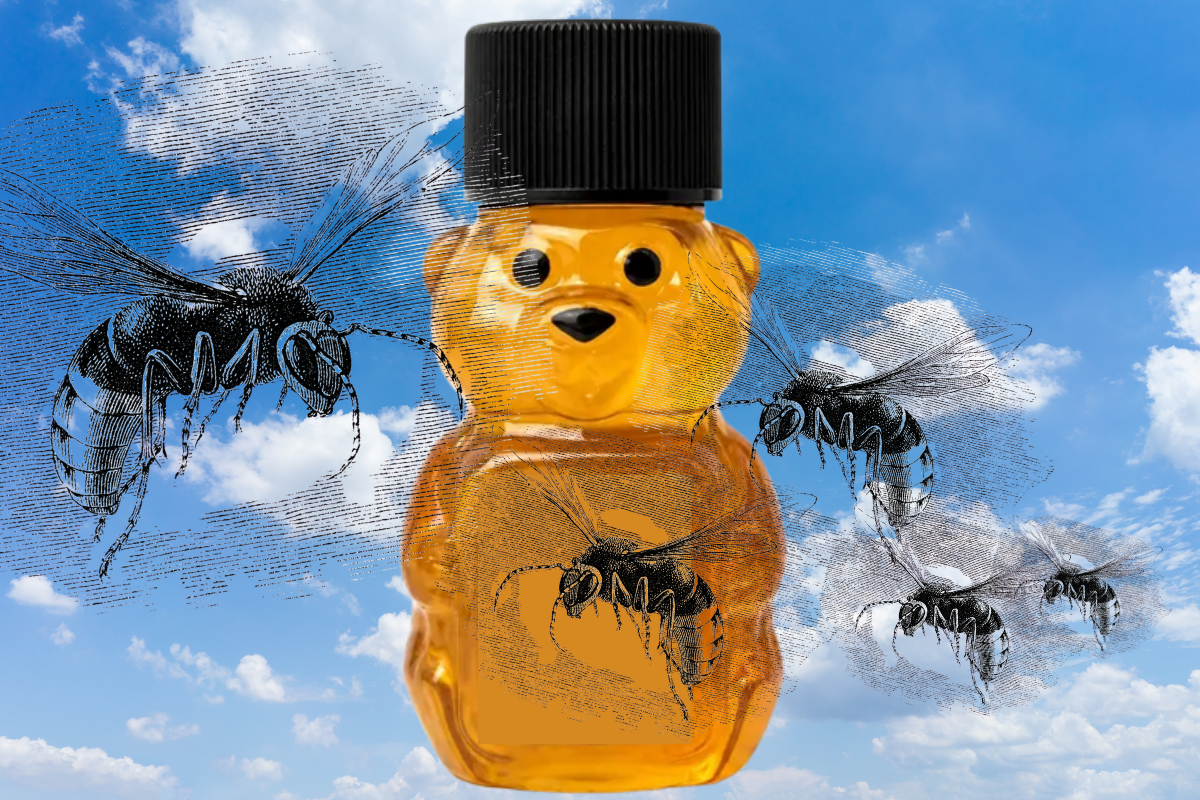
You’re probably already thinking of the honey bear in your pantry. Don’t get me wrong, honey is something to adore, worship even, but those cartoon-cute bears might not be holding what you think they’re holding.
Real honey is primarily made from the nectar of flowering plants. It includes a range of polyphenols, plant compounds with antioxidant properties. Darker honey generally correlates with higher polyphenol levels, and its flavor is likewise richer and bolder; lighter honey is milder.
“Honey has been shown to be as effective, or better than, cough medicine when you’re sick,” said Joy Heimgartner, a registered dietitian and certified specialist in oncology at Mayo Clinic College of Medicine and Science. This is due to its viscosity and coating properties. Honey also has antibacterial properties and can generate small amounts of hydrogen peroxide, although those levels vary considerably by product, and clinicians use sterile, medical-grade honey—not ordinary raw honey from the pantry—in certain dressings to help manage selected wounds.
But honey is still a concentrated sugar. The Food and Drug Administration (FDA) classifies honey as an added sugar, and most Americans already consume more added sugar than recommended.
Still, honey’s reputation as something better for us than plain old sugar has helped make it big business. The National Honey Board reported that honey sales reached $1.2 billion in 2025, with a 10.9% increase in products sold compared to the year prior. In a nationwide survey of U.S. shoppers, almost two-thirds of respondents said they would choose a product with honey in it versus a similar one without it. And over half of us will pay more for it.
And Where There’s Money, There’s Fraud
Because honey is expensive and easy to fake, it’s susceptible to adulteration. The FDA calls it “economically motivated adulteration,” or, more simply, fraud.
Karen Everstine, a food fraud specialist with FoodChain ID, told me that honey is one of the handful of products she’s most picky about when shopping. “Honey is usually in the top five commodity groups in our food fraud database,” she said. There are quality assurance tests, but it’s complicated. “Some of the tests for honey are not effective in detecting all types of fraud; people know the tests, and they know how to beat them.” Fraudulent honey might include rice syrup, beet sugar syrup, or high-fructose corn syrup. The upside is that these won’t make you sick.
Not Everything is Fraud
Many of the honey products you see at the market, including private-label versions at warehouse retailers like Costco, are blends from different locations, including countries outside of the U.S. Blending is a normal part of honey production, and not the same as fraudulent replacement.
The reason honey is blended, said Natalie Roesler, senior director of innovation at Sweet Harvest Foods, which makes Nate’s Honey for the consumer market, “is to have more uniformity and make it more consistent for the consumer. We want it to be the same color and the same flavor as the last time they used it.”
Processing raises another question: If part of what we’re paying for is honey’s flavor and naturally occurring compounds, how much of that survives the trip to the supermarket shelf?
Retail brands heat their honey to help it flow into packaging and keep it shelf-stable for longer—though all honey will eventually crystallize. Some manufacturers also pasteurize and filter it, a process that helps delay crystallization. High heat like those used in pasteurization, plus filtering, will change the chemical formulation of honey and remove pollen and micronutrients. How hot and for how long will vary, but it typically won’t be referenced on the label.
One person who wishes more people understood the dark underworld of honey is Carla Marina Marchese, a honey sommelier. “You’re killing the health benefits when you heat honey and when you heat it all those flavors and volatiles from the flowers evaporate. What’s left is a sweet syrup,” said Marchese, who is also an author of several books, including The Honey Connoisseur.
Marchese thinks store-bought honey “tastes like mud.” She explained: “Bees would never put those flavors together. They don’t bloom at the same time or in the same places. When bees blend [in the hive], it’s compatible. They’re blending from the same region, and it tastes crisp and clean.” Marchese fears that the “public thinks honey is one color and flavor because of the massive amounts of importing and blending.”
What About Organic?
Another twist: Most honey produced in the continental U.S. can’t be certified organic. Bees can forage up to three miles from their hives, including farmland treated with pesticides, lawns sprayed with chemicals, and GMO crops. The USDA, which regulates organic certification, cannot verify that bees remain solely on untreated or non-GMO land. A few apiaries in Hawaii are the only ones in the country certified organic, but imported honey still supplies much of the U.S. organic-honey market. Over the past decade, India, Ukraine, and Brazil have been among the top foreign suppliers of honey to the United States.
Nate’s Honey, which is widely available in stores, says on its labels that it’s “gently warmed for pourability.” This isn’t the same as pasteurization. The company also tests every honey batch brought in from the U.S. and abroad.
“We will put that on quality hold, we’ll pull samples, lock it up, and send it to a third-party lab in Germany,” said Roesler. This testing won’t appear on the label, but it does speak to what you can learn when you contact a company directly.
So What Should You Buy?
Here’s how to shop for honey with confidence. First, buy from your farmers market. This means it’s local, so you can ask the beekeeper where the hives are, what the bees were foraging on, and how the honey was handled after harvest. Second, look for raw, unfiltered honey. Third, look on the label for third-party certifications, including True Source Honey, Non-GMO Project Verified, or the USDA Organic Seal. Even though most organic honey comes from outside the U.S., it’s a valuable certification for many, including me. Last, buy your honey from a trusted retailer with rigorous sourcing practices.
The bear is still cute. Just make sure it’s holding real honey.
**************
MEDICAL ADVICE DISCLAIMER
DISCLAIMER: This website does not provide medical advice. For health or wellness-related content, SFD Media LLC emphasizes that information about medicines, treatments, and therapeutic goods (including text, graphics, and images) is provided for general information only. No material on this site is intended to substitute for professional medical advice, diagnosis, or treatment. Users are advised to independently evaluate and verify the accuracy, reliability, and suitability of the information before relying on it. You should not rely on the content as a substitute for professional medical advice. Consult with a physician or other healthcare professional for any health concerns or questions you may have. SFD Media LLC is not responsible for any action taken based on the information provided on this website. The use of any information provided on this website is solely at your own risk.