
Fiber is real. The science is solid. Most of what you’re seeing on TikTok is an advertising budget. A dietitian sorts the nutrition from the hustle.
Fiber used to be the unsexy necessity you drank from a dusty orange tub. Today, it’s a multi-billion-dollar marketing juggernaut. Many brands have realized that women over 50 are a highly lucrative demographic, and they’re blanketing the market with fiber-infused snacks, sparkling drinks, and supplements.
We’re witnessing an explosion of processed products presented as health solutions. Marketers know exactly how to weaponize nutritional anxiety, moving fiber from clinical advice to viral social media trends in record time.
Women over 50 are getting the brunt of this marketing, but are all fibermaxxing solutions really worth it?
The influencer environment makes this worse. National Geographic reported that 86% of nutrition content on social media cites zero scientific sources, and researchers found inaccuracies in 45% of nutrition posts circulating online. That’s what we’re now wading through as we decide what to put in our cart.
The Fiber-Fortified Junk Food Problem
You can now walk down any grocery aisle and find puffed snacks, cookies, and chocolate bars boldly claiming to be “fiber-packed.” Food manufacturers are rushing to capitalize on the trend by injecting isolated, functional fibers like chicory root extract or inulin into heavily processed foods.
Adding isolated fiber to a bag of potato chips doesn’t transform it into a health food. These isolated additives do technically count toward your daily fiber quota, but they completely lack the comprehensive health benefits of intact dietary fiber. Worse, consuming high amounts of these synthetic fibers is notorious for causing severe gastrointestinal distress. You’re missing out on the vitamins, minerals, and antioxidants that naturally occur in whole foods, trading real nutrition for a stomach ache and a brilliant advertising gimmick.
And let’s talk about the fiber gummy. The dietary fiber gummy market was valued at $5.75 billion in 2024 and is projected to hit $13.44 billion by 2032. This isn’t a niche corner of the supplement aisle anymore. It’s a mainstream shift. Women in their 40s and 50s are squarely in the target market—pushed $45 bottles of gummies that promise a “gut reset” while delivering a measly 3 grams of fiber per serving, and not much else. Is the fiber valuable? Sure. But it’s not a magical solution.
Are these supplements worth the money? As a dietitian, I can say that they’re not a must-have for everyone. Fiber gummies are little more than expensive, fruit-flavored dust. They provide only a fraction of your daily needs and often come loaded with added sugars or artificial sweeteners. For context, fiber gummies tend to have between 3 and 5 grams of fiber per serving, with two to three gummies being considered a serving size.
But one of the main concerns is that when you rely on a gummy, you completely miss the intricate matrix of nutrients that makes fiber-rich food so beneficial for aging bodies.
The Science of the Estrobolome
Why the sudden pivot to targeting older women? Because the science surrounding menopause, gut health, and the role of fiber is now better understood, and the industry is capitalizing on some powerful buzzwords.
During menopause, your gut and your hormones engage in a complex game of give-and-take. Deep in your digestive system lives the estrobolome—a specific community of gut bacteria that helps process and regulate estrogen levels in your body. Clinical research demonstrates that a diet high in whole-food fiber feeds these helpful bacteria. When properly fueled, the estrobolome helps your body bind to excess estrogen and flush it out. Without enough fiber, your body engages in estrogen recycling, allowing the hormone to recirculate and exacerbate mood swings, hot flashes, and energy crashes.
Menopause also naturally shifts the makeup of your gut microbiome, making plant-based fiber more critical than ever for keeping your hormones stable.
This marketing explosion comes at a time when the FDA is proposing front-of-package nutrition labeling that highlights dietary fiber. While transparency sounds positive, we have to look at who stands to benefit. The processed food industry is heavily invested in this initiative. If front-of-package labeling goes through as proposed, manufacturers can pump synthetic fiber into junk food and legally slap a government-approved “healthy” halo right on the front of the box.
Eat Real Food
The daily fiber recommendation for women 51 and older is roughly 22 grams per day. That might not sound like a massive number, yet the vast majority of adults consistently fall short of this target.
The good news is that you don’t need an overpriced powder to meet your daily needs. You just need to look at your grocery cart. Whole foods remain the absolute best way to support your gut, your heart, and your hormones.
Legumes are the undisputed champions of the fiber world. A single cup of cooked lentils delivers over 15 grams of fiber. Black beans, chickpeas, and edamame are equally robust choices. If beans cause you discomfort, start with very small portions and ensure they’re thoroughly cooked and rinsed.
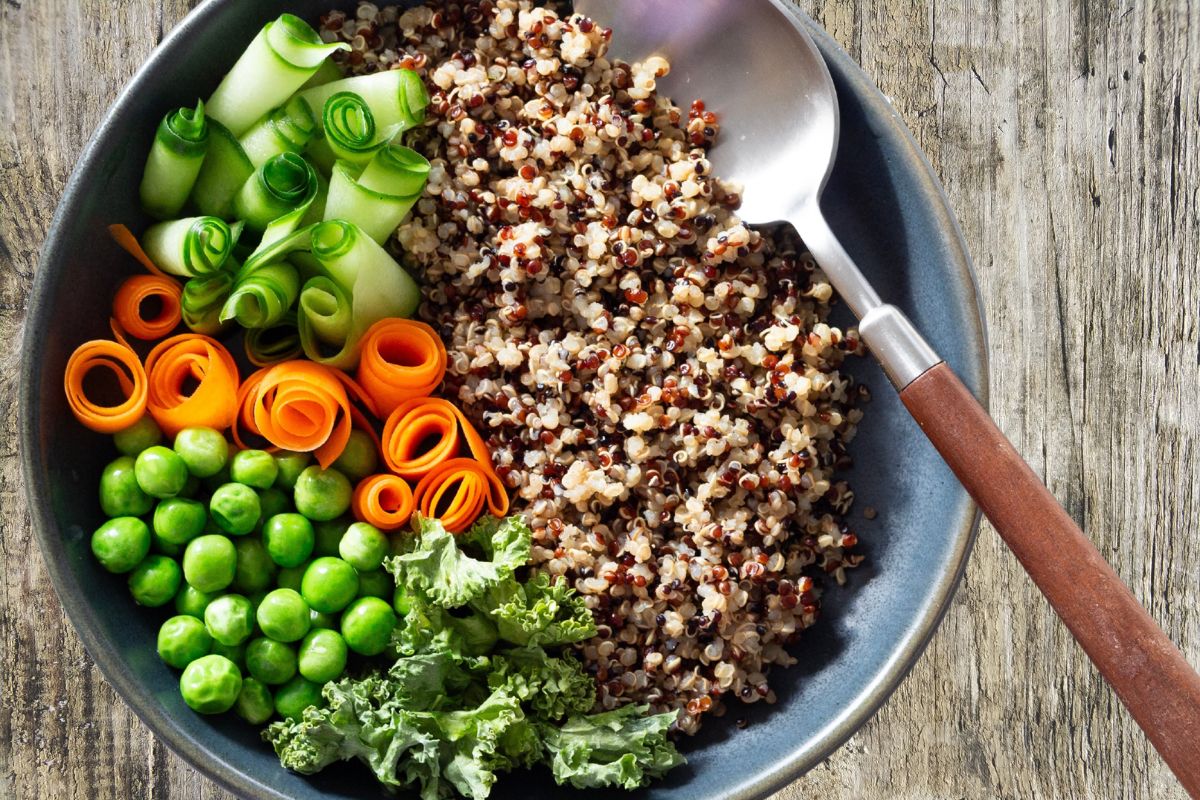
Berries are another phenomenal source. Raspberries and blackberries lead the pack, offering roughly 8 grams per cup. Avocados provide healthy fats along with about 10 grams of fiber per whole fruit. Whole grains like quinoa, barley, and steel-cut oats are reliable staples, while chia seeds and flaxseeds can easily be stirred into yogurt or salads for a quick boost.
The goal is diversity. Eating a wide variety of plant foods introduces different types of fiber, both soluble and insoluble, which ensures your gut microbiome receives the varied fuel it needs to thrive.
What I Actually Tell Women
After two decades of watching women chase every wellness trend, here’s what I know: Fiber is real, the science is solid, and most of what you’re seeing on TikTok is a supplement company’s advertising budget at work. Women over 50 have been conditioned to look for health in sleek packaging and trendy buzzwords. The wellness industry thrives on making nutrition seem complicated so they can sell you the solution.
Go eat an apple, listen to how your body responds, and leave the overpriced wellness fads on the shelf where they belong.
**************
MEDICAL ADVICE DISCLAIMER
DISCLAIMER: This website does not provide medical advice. For health or wellness-related content, SFD Media LLC emphasizes that information about medicines, treatments, and therapeutic goods (including text, graphics, and images) is provided for general information only. No material on this site is intended to substitute for professional medical advice, diagnosis, or treatment. Users are advised to independently evaluate and verify the accuracy, reliability, and suitability of the information before relying on it. You should not rely on the content as a substitute for professional medical advice. Consult with a physician or other health care professional for any health concerns or questions you may have. SFD Media LLC is not responsible for any action taken based on the information provided on this website. The use of any information provided on this website is solely at your own risk.