Meet your new literary BFF: Flash. Sharp, short, and refusing to apologize—just like us.
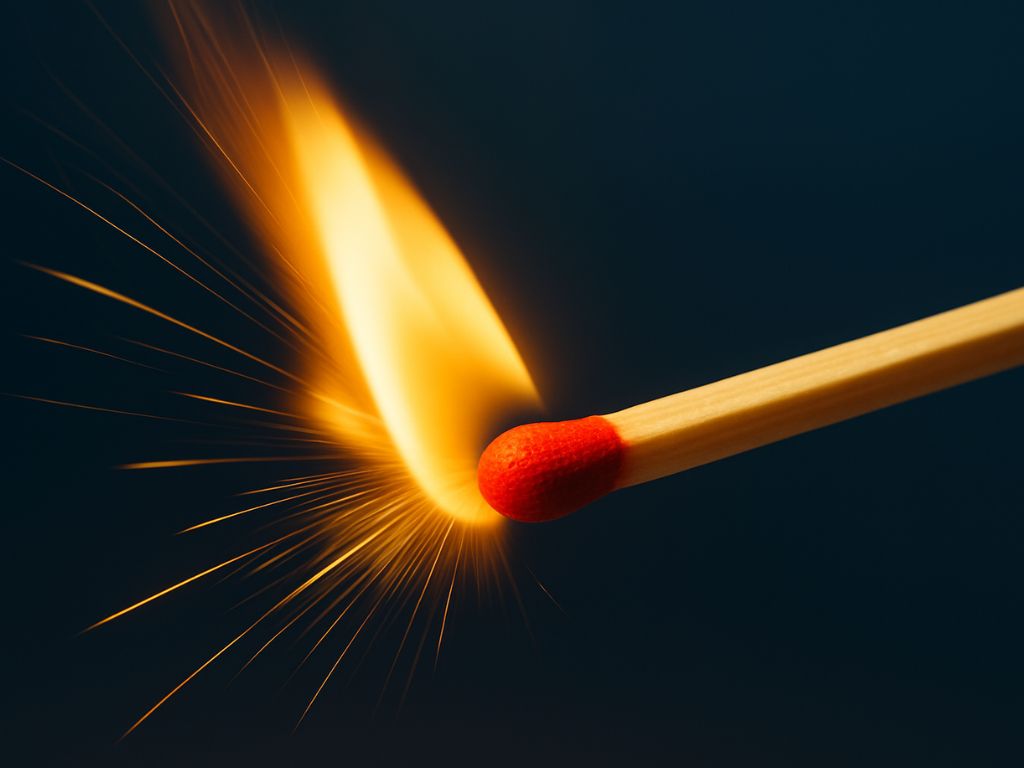
Women in their 50s are flashing. Alone. In groups. In bed and at the kitchen table. Under the cover of darkness and out in the bright light of day where anyone can see. The flashes finding these women aren’t the kind that melt your mascara, but rather flashes of the literary sort—razor sharp stories told in no more than 1,000 words and often in far fewer.
For the past two decades, I’ve had the joy and honor of leading writing workshops. From the get-go, it was impossible not to notice that the majority of the people signing and showing up (and I mean really showing up) were women. More often than not, women like me who had racked up a few trips around the sun. They came to tell the stories that had been screaming at them while they were scaling corporate ladders and frosting cupcakes at midnight—it’s hard to hold a pencil when you’re always juggling.
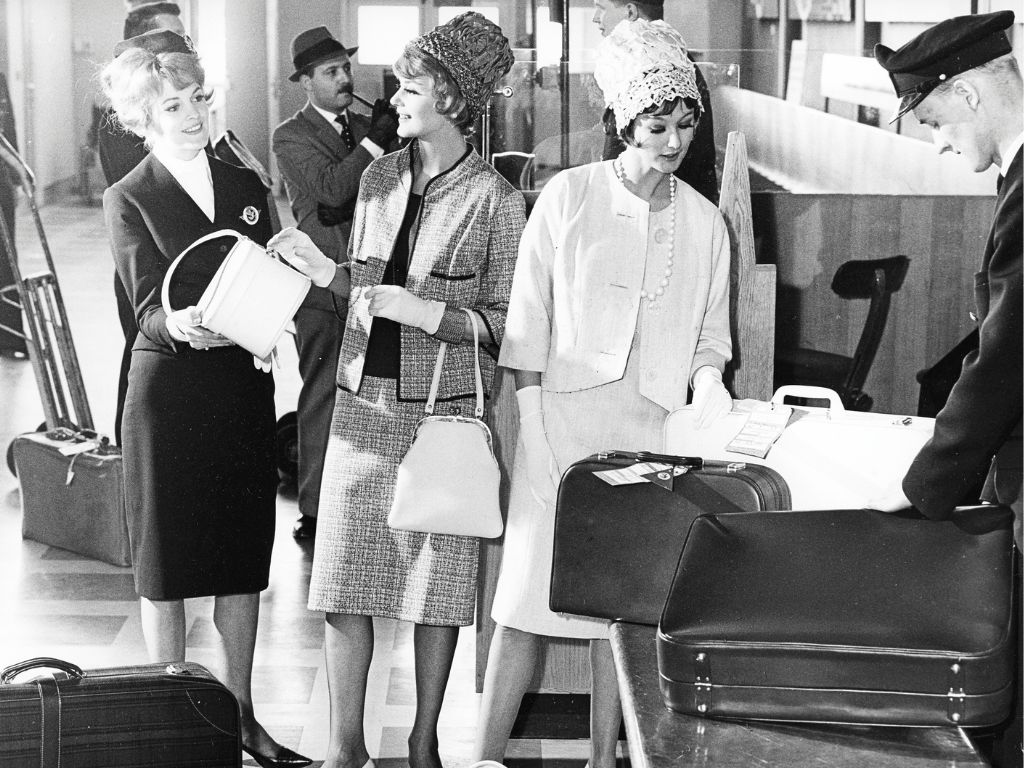
These writers-in-waiting had something to say. Many were finally putting the oxygen mask from that overused metaphor on their dreams of being writers. Dreams they’d packed away with drop-waist taffeta dresses and dyed-to-match pumps because they’d been told that their stories, their ideas, their words weren’t worthy of the page.
Then a few years ago something changed. They found flash.
Boundaries Are Queen (But You Already Knew That)
Titanium boundaries are the key to the genre’s success—and its allure. The form doesn’t allow for even a single one-letter word over the word count. Its guardrails are its superpower. Flash is upfront, unapologetic, and intentional about what it is and how it works and thrives. Sounds familiar, right?
“So many women I know, right around that 50 mark [take to flash,]” said Susanna Baird, founder and editor of the 100-word micro memoir magazine Five Minutes who’s noticed that submissions from midlife women often outnumber those from other writers. “A lot of women I know see it as a challenge to get to know themselves in a way that’s more honest, and writing these small pieces seems to be part of that exploration.”
It’s also the perfect way in for those who want to join the conversation but whose calendar alerts ping all day long. “Flash tends to appeal to women who have short amounts of time but want to use writing to understand their worlds,” observed Caroline Bock, Washington Writers’ Publishing House co-president and flash prose editor.
More Nourishing Than a TikTok
Flash isn’t just about the writer. It’s also a gift for the reader who craves more nourishment than can be gained from scrolling. The bite-sized, often deeply imaginative and image-heavy pieces cast spells. “I’m someone who loves rereading, and so in a sitting I can read a flash piece, get the story, and then go back and revisit it at another time and see if something else comes out,” said Teresa Berkowitz, founder and editor of Tangled Locks Journal, an online literary magazine that illuminates the experiences and lives of women.
Saying What You Need in Limited Space Is an Art Form
A limited word count is anything but watered down. Or easy. “Flash is funny because writing for a short container is hard, but it’s also less intimidating,” shared Meg Pokrass, widely published flash author and co-founder of the new Flash Fiction Institute, an online school and resource hub for flash writers and the flash curious. “It’s a weird juxtaposition. It takes a lot of skill. I think the resistance to it isn’t as great because people are like, ‘Oh, I can do 200 words.’ People end up getting hooked on trying to get better and they end up loving it.”
“It’s an art form,” Berkowitz noted. “It has to be extraordinarily well crafted. I think people revise short works more than they do their longer works. A lot of time is spent per word. There’s real substance there.”
The Freedom to Say More by Saying Less
Don’t let its come-hither eyes fool you—flash is more than a series of quickies. It also provides the emotion and depth that can only be gathered from the best long-term relationships. Embracing boundaries and removing intimidation can lead to places that longer and more conventional forms might not, and allows the writer to feel safe so she can explore and take chances.
Pokrass’ newest book, Old Girls and Palm Trees, was born from the experience of reconnecting with a close friend with whom she had fallen out of touch 35 years ago. An illustrated, form-breaking collection of linked dream-like stories that centers on “two friends of a certain age who, in an alternate reality, refuse to accept the stereotypes of aging.”
“It happened about three years ago and it made me think about the importance of lost friendships and lost connections,” Pokrass said. “I started writing these little stories. I didn’t do it consciously. They were just popping out and they were about old friends. These friends sort of bumbling around together as old people.”
Bock credits the form for her current work-in-progress I Should Have Slept With Them All, a collection of micro memoir and autofiction pieces, each one 250 words and 14 lines, about love and sex. “Frankly, being a woman of a certain age, you do look back.” said Bock whose forthcoming novel The Other Beautiful People began in flash. “I think we’re constantly trying to think about who we are and what we want to become. Even at 60, I am thinking, ‘What am I becoming?’ And this container I have has multitudes.”
Microdosing with No Side Effects
Like you, flash delivers depth and staying power without demanding everything in return. Why not try it—as a reader or a writer?
You don’t get to this point in life without at least a few good stories. Scribble them down. See where they take you.
Our Minimoir™ Challenge is open. In exactly 18 words tell us a moment, a milestone, a truth. The stories must be true, 18 words on the nose, and written by a woman 50 or older.
Read our growing collection of Minimoirs. Then send us yours. You might see it published in PROVOKED, and discover how you can say so much in so few words.
So, what’s holding you back? Your new bestie flash is calling.
She knows you have something big to say.


4 Responses
I love this. So spot on. I’m full of these stories(flashes).
Thanks, Regina! So appreciate you reading and commenting. And, hope you are capturing all of your stories on the page.
I love this story. And you are so right: “You don’t get to this point in life without at least a few good stories. Scribble them down. See where they take you.” Personally, I’m looking forward to reading everyone’s Minimoir! At this point in my life, I think I could write a new one each week. My perspective changes all the time as I reflect on something different about my life and what I’ve learned.
Thanks, Melissa. So well said! Can’t wait to read the next batch of Minimoirs.