
Editor’s Note
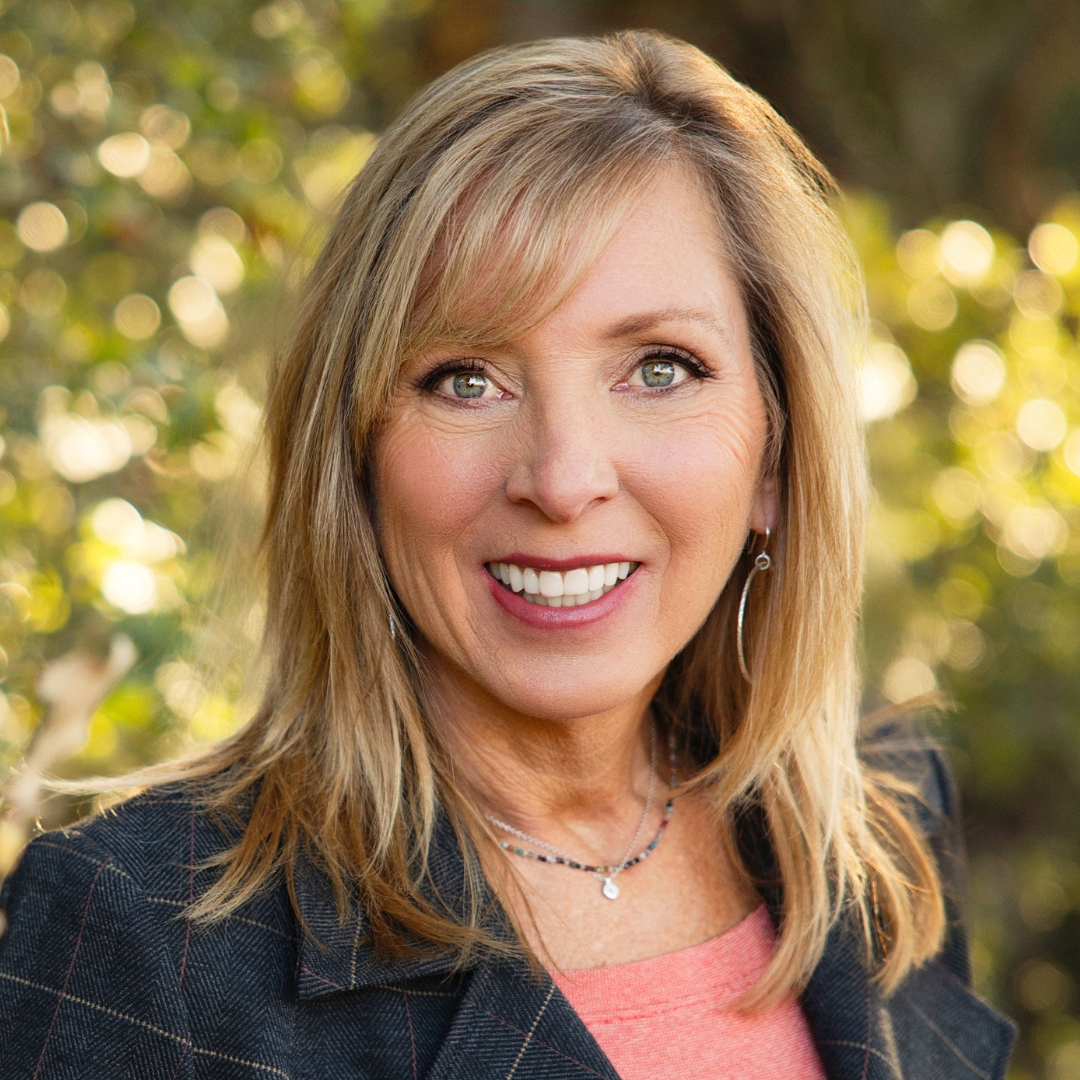
This is part three of a three-part series on the wealth transfer headed toward women, written for PROVOKED by Kristin Hull, founder of Nia Impact Capital. A note on how this works: Nia didn’t pay for this placement, and PROVOKED wasn’t paid to run it. This is two women founders deciding that this information matters. Part one mapped what’s coming. Part two went inside the feminist portfolio. And this one answers: what to do when the money actually lands—when you inherit, when you’re suddenly the one in charge, when you find yourself across the desk from an advisor who doesn’t know you and doesn’t ask. —Susan
You’re not underprepared for investing; you’re not being heard. Here’s how to find the right financial advisor—one who works for you.
I invite you to imagine something. You’re sitting across from a financial advisor for the first time. Maybe you have a new job and finally have more money to invest. Maybe you’ve just lost a spouse who always handled the money. Maybe a parent has passed and left you their estate. Or maybe you’ve simply decided, finally, that it’s time to take the wheel with your investments.
You feel uncertain, even a little intimidated. And then the advisor launches into a generic pitch that makes one thing clear: they know little about you, your life, or what you care about. That disconnect is one of the most common experiences our female clients describe.
Here’s what I want you to know: You’re not unprepared for investing. The right advisor—the one actually worth hiring—will make you feel comfortable and competent from the first conversation.
Step 1: See Yourself Clearly: You’re Already a Financial Decision-Maker
Let’s start with a reframe.
Women are already managing money every day, at home, in business, and in the constant negotiation between what’s needed now and what matters later. A report from the CFP Board Center for Financial Planning found that most women lead household financial decisions, and 69% say they are the primary decision-makers for their family’s finances. Those aren’t small things. Those are exactly the skills that make a great investor.
The gap women feel isn’t capability. It’s confidence. While women make competent decisions for household spending and budgets, often someone else has handled the investing piece, or the financial services industry has historically spoken around us instead of to us.
Yet this is your money, and when it’s your money, your instincts matter. The first step is to reclaim that truth: You’re in charge. Your financial advisor works for you, and not the other way around.
Step 2: Know What to Look For, and What to Walk Away From
Not all financial advisors are created equal, and there’s one distinction that matters: choosing a fiduciary.
A fiduciary is legally required to act in your best interest. Not their firm’s interest. Not their commission’s interest. Yours. The easiest way to find out is to ask how they get paid. Fee-only advisors (those who charge a percentage of the assets they manage for you, or a flat planning fee) are fiduciaries. Most advisors who make money selling you financial products are not, and that commission structure can create a built-in conflict of interest.
Ask directly: Are you a fiduciary? How do you make money?
Then pay attention to everything else. Do they ask questions about your life and your goals before offering solutions? Do they look you in the eye? Do they actually listen to your answers? If you have a partner, do they speak to both of you equally, or default to who they assume is “in charge”?
And when you bring up solutions-focused, gender-lens, and impact investing, do they engage or pivot?
Ask about their experience with Environmental, Social, and Governance (ESG) funds. Ask about the asset managers they work with, and specifically what’s in the funds they’re recommending, and why. Because the reality is that greenwashing (funds that claim to be sustainable yet hold oil companies, weapons manufacturers, or companies with poor labor records) is standard practice in the wealth management industry. And the right advisor will welcome these questions. The wrong one will deflect them and hope that you won’t ask twice.
Here are questions to bring to the meeting.
- What are your credentials and experience?
- Are you a fiduciary?
- What’s your experience with impact investing and values-aligned portfolios?
- How many women-led or people-of-color-led asset managers do you have on your selection list?
- What types of companies and sectors would you suggest I invest in and why?
- Can you show me the fund fact sheets for the investments you’re recommending?
- Do any of your funds hold fossil fuel companies or other industries I may want to avoid?
- How do you measure success, financially and in terms of impact?
- How often will we meet, and who will I work with day-to-day?
- Why did you become a financial advisor?
These questions aren’t too much. They’re exactly the right questions to ask. Any advisor worth your trust will be glad you asked them.
Step 3: Begin: Your 90-Day Plan
Once you’ve found an advisor who listens and can back it up, the work begins. Here’s a simple, grounded plan for your first 90 days together.
Days 1–30: Gather Your Documents
Your advisor will ask for a full picture of your financial life: bank and investment statements, credit card statements, insurance policies, estate documents, and more. This can feel overwhelming, yet technology can make the process more manageable than it used to be. Think of this step as building the foundation. Having full clarity on what you own and where your investments sit is key.
Days 30–60: Dream Out Loud
This is my favorite part of the process, and the part that matters most. Money is a tool. This is the step where you decide what you’re building.
Decide what you actually want your money to do. Get specific. Pay off debt. Support your family. Travel. Leave a legacy. Fund a retirement life you don’t need a vacation from.
Then ask yourself the values question: What do you want your money to do while working toward those goals? Is it supporting companies that address women’s health? That are developing solutions to climate change? That are advancing health care equity? Jot your answers down and share them with your advisor. Make this vision part of your investing mandate.
Days 61–90: Build and Implement
Here, your advisor puts the plan into action. Stay engaged. Ask to see every fund selected—what’s in it, why they chose it, and how it aligns with your goals. Request and read the fund fact sheets and the holdings lists. Are the funds run by women-led asset managers? If something doesn’t align with your values, you have every right to ask for something different.
Transparency is the signal. An advisor with nothing to hide will show you everything.
The Shift Is Already Happening
Studies consistently show that women are better investors than men: more patient, more disciplined, better at managing risk, and more likely to stay focused on the long game. The financial services industry has been slow to reflect that reality, yet the power dynamic is already shifting.
We’re in the middle of a massive wealth transfer. Women will control a significant portion of it, and more importantly, are approaching it differently by asking better questions and expecting better answers. We get the economy we invest in. And when we invest with intention—bringing our values, our goals, and our full financial authority—the economy shifts.
The ripple effects will be felt for our families, our communities, and the world we’re investing in.
Trust yourself. Ask every question. And if an advisor doesn’t see you clearly and take action toward your goals, they don’t get access to your money. You’re ready for this.
Learn more about the Nia Impact Capital Mutual Fund.
Part of our guide to the Great Wealth Transfer
******
FINANCIAL DISCLAIMER
The information provided on PROVOKED is for general informational purposes only and does not constitute financial, legal, tax, or investment advice. SFD Media LLC and its contributors are not licensed financial advisors, investment advisors, brokers, accountants, or attorneys. You should consult with a qualified professional before making any financial decisions based on this content. While efforts are made to ensure the accuracy and timeliness of the information, SFD Media LLC makes no representations or warranties, express or implied, regarding its completeness, accuracy, or applicability to your individual circumstances. Reliance on any information from this site is solely at your own risk and discretion.