
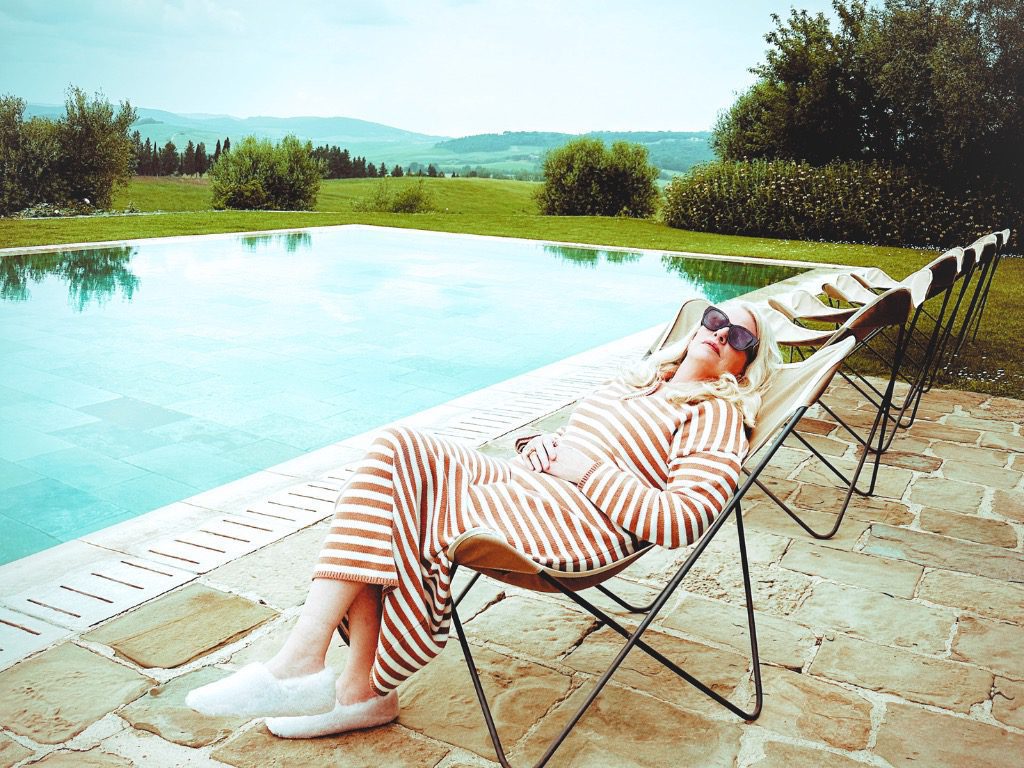
Naps aren’t laziness. They’re a midday reset—no shame required.
THE SHORT ANSWER
Are naps good for you, and how long should you nap? Yes. Short naps can sharpen memory and alertness, ease stress, and support heart health. Keep them to 20 to 30 minutes so you don’t wake up groggy, and nap in the early afternoon so it doesn’t disrupt nighttime sleep. A dark, quiet room helps, along with skipping caffeine for four to six hours beforehand and putting screens away for 30 minutes.
Society has brainwashed us into thinking that napping is a sign of weakness, especially for women who are supposed to be invincible, tirelessly juggling work, family, and every other damn thing on our plates. From day one, we’re fed this myth that the road to success is paved with sleepless nights and perpetual burnout. And for women, the pressure is even worse—we’re expected to excel in every role without ever revealing that we’re exhausted.
What a sham.
The Benefits of Napping are Real
We all need rest, yet we treat naps like dirty secrets. How many times have you heard a friend brag about surviving on four hours of sleep like it’s some kind of twisted honor? Isn’t that just self-sabotage or martyrdom? Taking a nap isn’t about being weak or lazy; it’s about listening to your body. It’s time to stop believing that rest is a luxury we can’t afford. I was on a woman’s retreat last year, and much to my dismay, I found that most women in the room were nap shamers. Like WTF? What should we care if someone else needs or wants to nap?
The science is promising:
- Napping may improve cognitive function and memory, with studies showing that a 20-30 minute nap can jump-start alertness, performance, and learning ability.
- Short daytime naps of 20–30 minutes may help regulate blood pressure, although evidence that they directly improve cardiovascular health or prevent heart disease remains inconclusive.
- Napping improves emotional balance by restoring energy levels and reducing irritability.
At my age, experiencing a sleep-through-the-night good night’s sleep is like chasing a unicorn. I’ve tried all the magic teas and over-the-counter nonsense. Melatonin gummies have basically become my new guilty pleasure, a nightly ritual that I pretend will work wonders. But here’s the truth: Getting those six or seven hours of uninterrupted, deep, delicious sleep is likely not happening, no matter how many steps I got in that day. So, I nap, and I’m done feeling bad about it. Three to four times a week, between 3 p.m. and 5 p.m., my body and brain decide, “That’s it, we’re done here,” and I shut down.
Whether it’s to recharge your tired muscles, clear the mental fog, or escape from the chaos of life for a hot minute, napping is the secret weapon no one talks about, but everyone should. By my 30s, I was up at dawn, commuting like a mad woman, juggling kids, climbing that career ladder—my savior? Napping. I mastered the art of sneaky naps at my engineering job, propping an old-school phone receiver against my shoulder, leaning my head just so, closing my eyes, and pretending I was deep in conversation. Ten-minute “phone calls” were my lifeline.
Napping Best Practices
Keep naps short: Research shows that naps under 30 minutes appear to offer the best balance of benefit and risk. Shorter naps help avoid deep sleep stages, reducing grogginess and making it easier to wake up refreshed.
Nap in the early afternoon: The best time to nap is early afternoon, when our natural circadian rhythms take a nose dive. Napping later in the day can interfere with nighttime sleep.
Create a quiet, dark environment: A cozy napping environment is key to getting the most out of your nap. Blocking out light, reducing noise, and ensuring the temperature is comfortable help facilitate falling asleep quickly and staying asleep during the nap.
Go easy on the caffeine before napping: Caffeine can interfere with the ability to fall asleep and reduce the quality of a nap. It’s best to avoid caffeine for at least four to six hours before planning a nap to ensure a restful experience.
Establish a pre-nap routine: Just like with nighttime sleep, having a calming pre-nap ritual can help signal to your brain that it’s time to rest. This might include activities like deep breathing, stretching, or meditation to relax your body and mind before sleep.
Limit screen time before napping: Exposure to the blue light from screens (phones, tablets, or laptops) suppresses melatonin production, which can make it harder to fall asleep. Avoid screens for at least 30 minutes before napping. Opt for calming activities like reading a book or listening to soft music.
Napping Like the Stars: Who’s Catching Zzzs?
And if you still think napping is just plain lazy, think again. Some of the most famous and successful ladies we admire take their midday snooze seriously. Margaret Thatcher, the “Iron Lady” herself, was known for catching quick catnaps while running a country. Lady Gaga has also confessed to sneaking in naps to recharge before her electrifying performances. And then there’s Gwyneth Paltrow, who takes her napping game to a new level. She designed “fuzzy nap zones” into her $5 million Tribeca penthouse, creating the perfect space for a luxurious snooze. If these powerhouse women can find time to nap with their busy schedules, you can too.
So, next time you feel that mid-afternoon slump, don’t push through it—nap through it. I do, and I’m a happier, more sociable person when I do. Your body, mind, and soul will thank you. Napping isn’t just a luxury—it’s a necessity for staying at the top of your game. Allow yourself to lie down and let yourself drift off.
And please, NO nap shaming.
Updated November 2026
**************
MEDICAL ADVICE DISCLAIMER
DISCLAIMER: This website does not provide medical advice. For health or wellness-related content, SFD Media LLC emphasizes that information about medicines, treatments, and therapeutic goods (including text, graphics, and images) is provided for general information only. No material on this site is intended to substitute for professional medical advice, diagnosis, or treatment. Users are advised to independently evaluate and verify the accuracy, reliability, and suitability of the information before relying on it. You should not rely on the content as a substitute for professional medical advice. Consult with a physician or other healthcare professional for any health concerns or questions you may have. SFD Media LLC is not responsible for any action taken based on the information provided on this website. The use of any information provided on this website is solely at your own risk.


2 Responses
I nap as often as I can. I put my phone in a different room, pull down the shades, and snuggle under the covers. I do have to set an alarm so I don’t sleep longer than 1 hour. I love it!
Hi Belinda! So fun to see you here! Hope everything is going well. I love that you are a napper. I am most certainly. Will never give it up!!